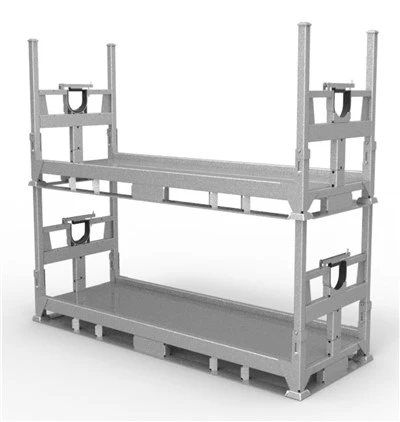
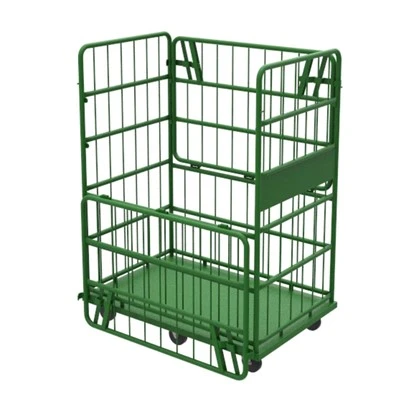
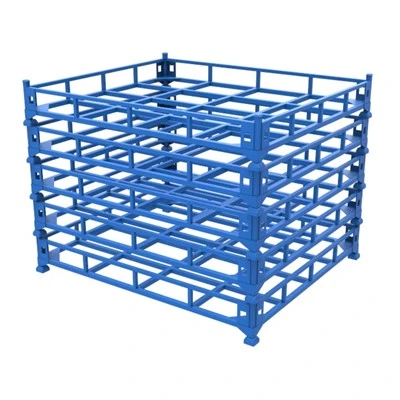
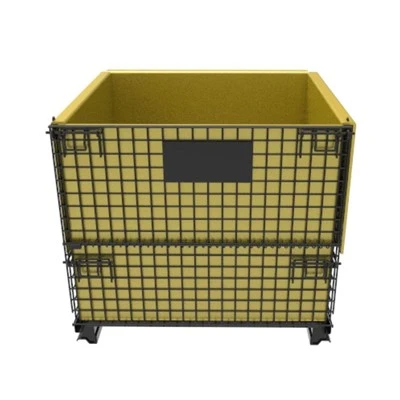
Global supply chain managers are increasingly looking at the durability and environmental impact of their hardware, as international shipping regulations move closer to carbon neutrality goals. Recent market analysis suggests that by 2025, the market for heavy-duty storage units in China hit 63 billion RMB, representing a massive portion of the world's production capacity. This growth is largely fueled by the "Double Carbon" policies that push companies to move away from disposable plastic and timber packaging in favor of circular, reusable materials. When consulting with industry experts, many point out that China's production of 520 million pieces per year has solidified its role as a global hub for manufacturing excellence. A professional-grade Metal Logistics Container is now expected to adhere to rigorous standards like GB/T 2934 and VDA automotive guidelines to ensure seamless integration with automated robotic arms and high-bay racking systems. Unlike basic wooden crates that splinter under pressure, these steel-based units offer exceptional load-bearing capacity and a lifespan that spans decades, effectively lowering the cost-per-trip for high-frequency transport. Furthermore, the industry is witnessing a significant shift toward the "Leasing and Recycling" model, which allows enterprises to avoid heavy upfront costs while participating in a nationwide shared network that emphasizes reuse over the consumption of single-use materials.
Technological refinement at the manufacturing level has led to the widespread adoption of robotic welding and flexible production lines, ensuring that every structural seam can withstand the grueling vibrations of cross-continental transit. Leading logistics firms are now outfitting their hardware with RFID tags and sensors, a move that has caused the demand for the smart Metal Logistics Container to grow by over 40% as we move through 2026. To get the best out of these advanced tracking units, the operational steps are straightforward: first, the unit must be registered in a cloud-based management system using its unique digital ID. Following this, warehouse staff should verify the locking pins on the side panels before stacking, as precision-fit components are essential for protecting delicate parts from dust and moisture. Because these units are part of a circular economy framework, maintenance has become a centralized service rather than a burden for the end user. Providers now offer complete repair and recovery cycles, ensuring that every Metal Logistics Container in the fleet remains in peak mechanical condition without requiring the client to maintain an internal repair shop. This evolution from a simple metal box to a data-connected asset reflects a broader industrial focus on standardization and resource efficiency. As trade barriers for plastic goods rise, the reliance on high-tensile, recyclable metallic enclosures provides a reliable path for companies seeking to stabilize their costs while significantly reducing their environmental footprint for the long term.