


product key technologies

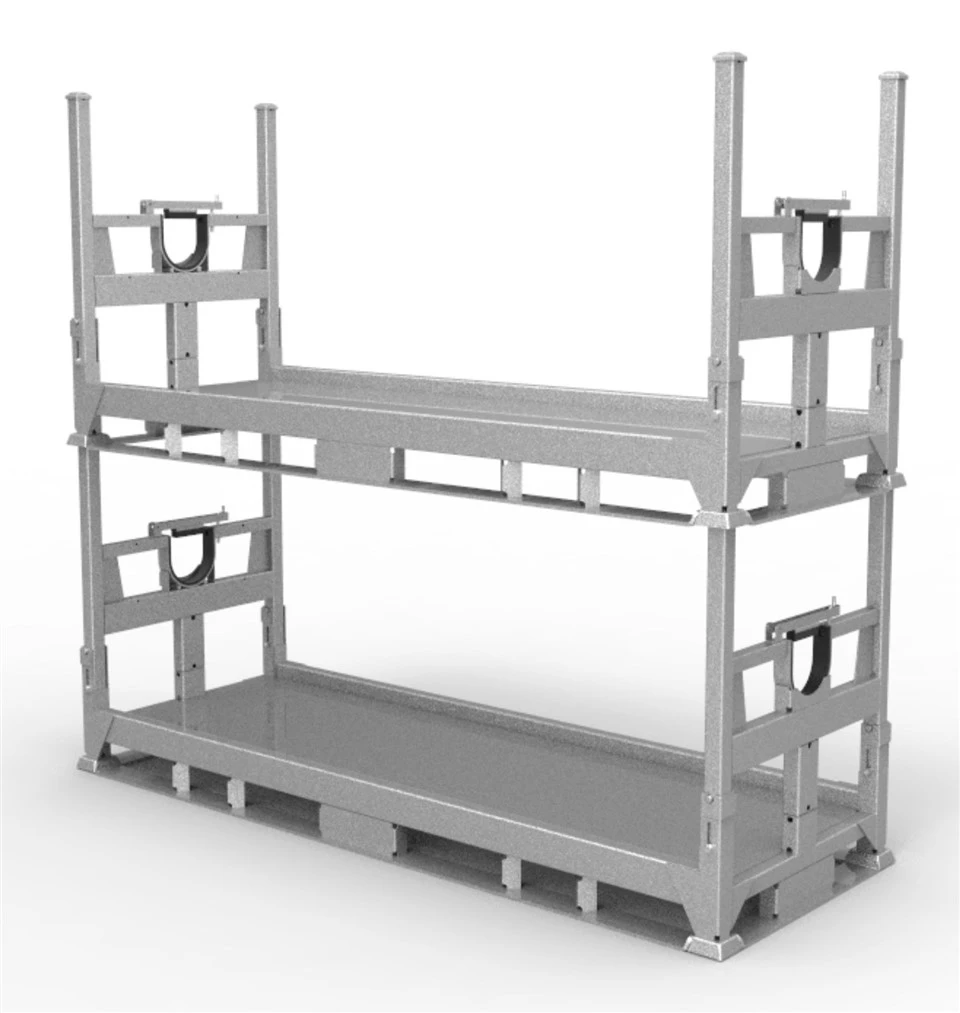
The heavy duty roller frame is a purpose-built storage and transport rack for printing rollers, rubber rollers, silicone rollers, industrial rollers, coated shafts, and other long cylindrical components that cannot be safely placed in an ordinary pallet cage. Roller surfaces are often precision-ground, coated, polished, or rubberized. Direct stacking may create pressure marks, scratches, coating damage, shaft-end impact, contamination, or permanent deformation. Our heavy duty roller frame uses individually positioned supports, separation bars, or suspended locating points to keep each roller in a defined position. This prevents uncontrolled rolling during forklift movement, warehouse handling, and long-distance transportation. The contact structure can be shaped around the shaft ends or protected areas, allowing the functional roller surface to remain free from unnecessary compression and friction.
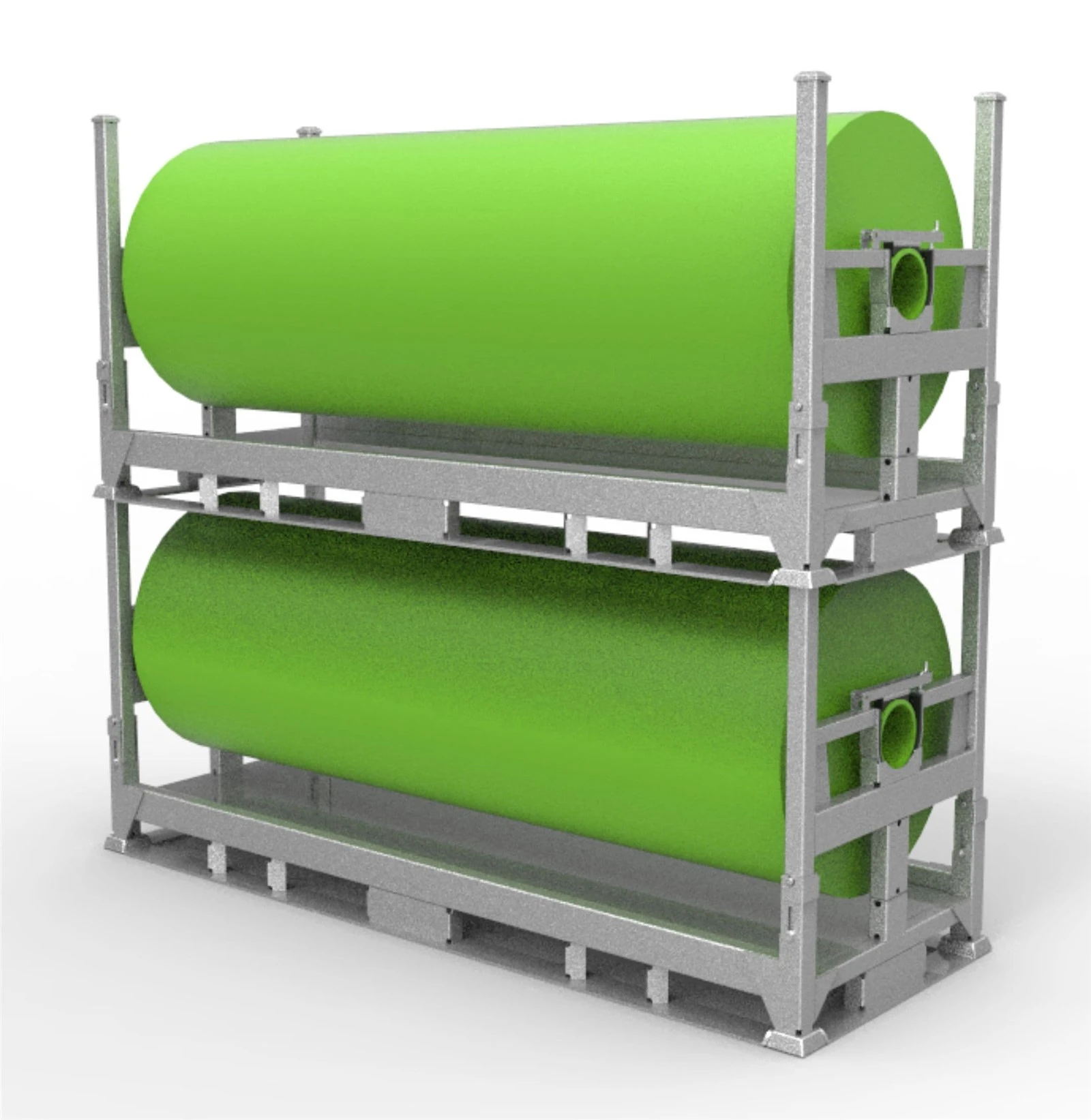
Every heavy duty roller frame is engineered around the diameter, length, weight, shaft configuration, loading direction, and quantity of the rollers. Short precision rollers, long printing rollers, large-diameter industrial rollers, and mixed-size batches require different support spacing and frame geometry. Single-row, double-row, or multi-level layouts can be developed to increase loading density while preserving safe clearance between rollers. Reinforced welded steel construction provides the rigidity needed for repeated forklift transfer and stack loading. Alignment structures at the top and base help stacked frames remain stable and reduce lateral movement. Forklift pockets may be positioned for two-way or four-way entry according to the warehouse process. At Ziyue Metal Products, the heavy duty roller frame is treated as reusable industrial packaging: it protects the product, organizes the warehouse, improves loading efficiency, and returns to the production line for the next circulation cycle. This long-term approach is especially valuable for roller manufacturers, repair companies, printing plants, and industrial customers operating regular returnable transport routes.
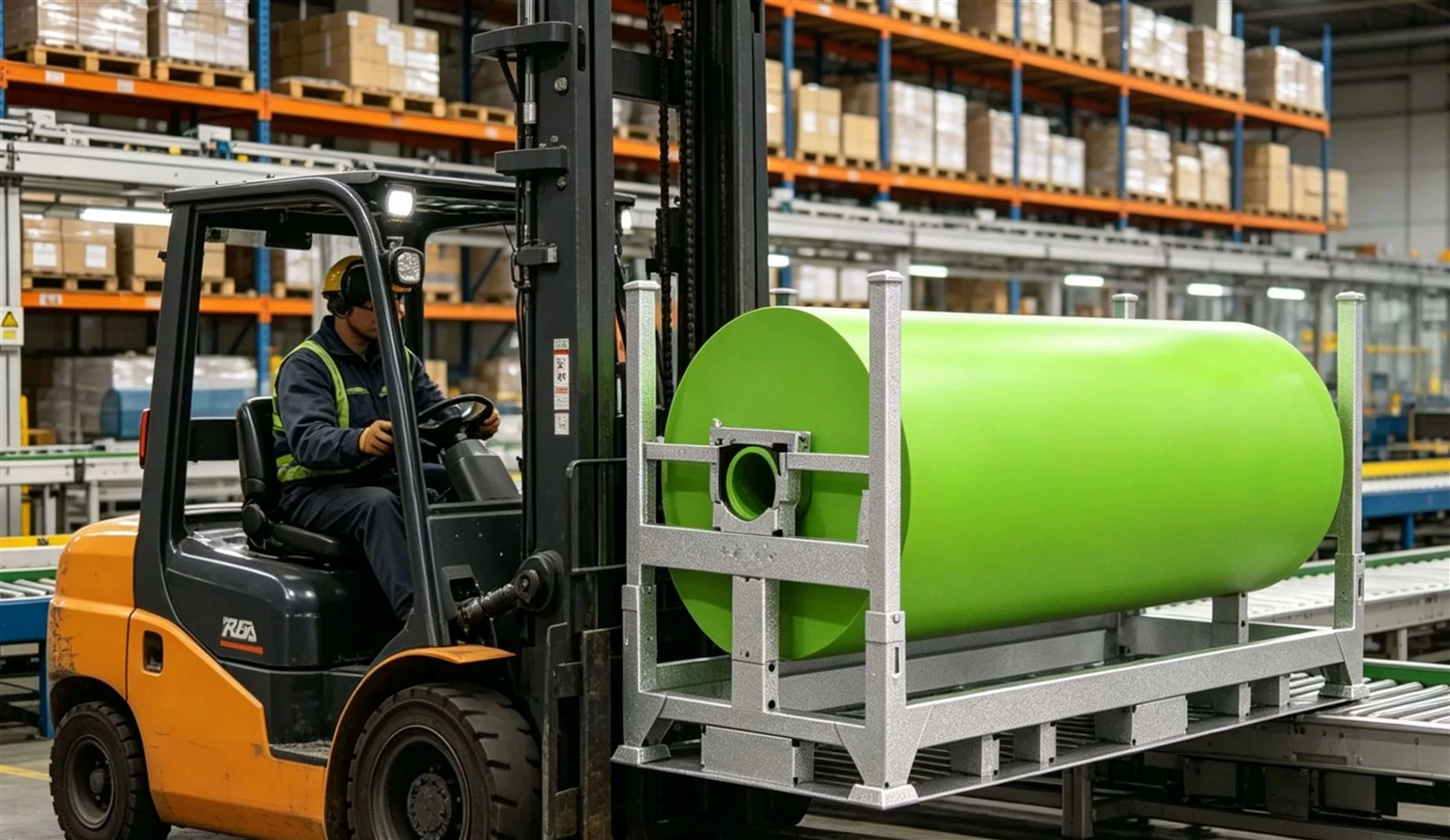
Our R&D and fabrication teams can manufacture the frame from technical drawings, roller samples, or a dimensional data sheet. The engineering review covers roller-body diameter, shaft-end diameter, total length, center of gravity, unit weight, allowable contact area, loading equipment, stacking height, and transport vehicle dimensions.
Support points can be arranged so that the roller body remains suspended, while rounded edges and protective liners reduce accidental surface contact. For customers handling several roller models, removable supports or mixed-position layouts can be designed. The outer frame may also be coordinated with existing pallet racking, forklift forks, truck interiors, and container loading plans.
04.QualityControl
Production begins only after the drawing or sample structure has been approved. Welding fixtures are used to maintain dimensional consistency, and inspectors conduct patrol checks and sampling inspections during fabrication. Important dimensions such as support spacing, diagonal alignment, fork-pocket position, and stacking-point location are verified before surface treatment.
Before packing, every heavy duty roller frame is fully assembled and inspected. Stacking alignment, frame stability, support condition, weld quality, surface finish, and accessory installation are checked. Third-party inspection is accepted, and production records, photographs, or videos can be supplied for order verification.
05.Production & Delivery
Standard structures normally require approximately 15 working days. Customized production generally requires around 30 working days after the sample or final drawing has been confirmed. Repeat-order lead times may be reduced because the tooling, fixtures, and technical parameters have already been established.
Before production starts, our mold-development, purchasing, manufacturing, and packing teams evaluate material availability and capacity. A detailed production schedule is then coordinated with the customer to support the agreed delivery date.
Specifications
Frame Material: Reinforced welded steel tube or structural steel profile
Overall Size: Customized L*W*H according to roller specifications
Roller Compatibility: Rubber, silicone, printing, coated, metal, and industrial rollers
Support Structure: Shaft-end support, individual locating slot, divider, or suspended support
Loading Layout: Single row, double row, multi-row, or multi-level configuration
Load Capacity: Engineered according to individual roller weight and total frame load
Stacking: Fixed-post or locating-corner stacking structure as required
Forklift Entry: Two-way or four-way forklift access
Protective Contact Material: Rubber, plastic, padded, or non-contact support options
Surface Treatment: Powder coating, anti-rust coating, or hot-dip galvanizing
Identification: Label plate, serial-number plate, or document holder available
Applications
Printing Roller Manufacturing: Storage and shipment of newly manufactured, reground, or repaired printing rollers.
Rubber and Silicone Roller Production: Protected circulation between molding, grinding, inspection, cleaning, and packing.
Industrial Coating and Lamination: Handling of coated shafts and rollers with sensitive functional surfaces.
Automotive and Machinery Manufacturing: Storage of cylindrical tools, shafts, sleeves, and precision rotating parts.
Returnable Export Packaging: Repeated transport between factories, distributors, repair centers, and end-user facilities.
Hot Tags: heavy duty roller frame, China heavy duty roller frame factory


