


As a post pallet supplier, I often get asked about the tools required to assemble a post pallet. In this blog, I'll walk you through the essential tools and provide some insights into the assembly process.
Understanding Post Pallets
Before we dive into the tools, let's briefly understand what post pallets are. Post pallets are a type of pallet that uses vertical posts to support the load. They come in various types, such as Heavy Duty Post Pallets, which are designed to handle heavy loads, and Demountable Post Pallets, which can be easily disassembled for storage or transportation. Post A Pallet is another option that offers a specific design for certain applications.
Essential Tools for Post Pallet Assembly
1. Screwdriver or Drill
A screwdriver or drill is one of the most basic tools needed for post pallet assembly. You'll use it to fasten the various components of the pallet together. If you're using screws, a manual screwdriver can get the job done, but for a more efficient and quicker assembly, a power drill is highly recommended. Make sure to choose the right bit size for the screws you're using. For example, if you're using Phillips head screws, a Phillips bit is required.
2. Measuring Tape
Accuracy is crucial when assembling a post pallet. A measuring tape helps you ensure that all the components are the right length and that the pallet is assembled to the correct dimensions. Measure the length and width of the base, the height of the posts, and the spacing between the components. This will help you avoid any issues with the fit and stability of the pallet.
3. Wrench
Some post pallets may require the use of nuts and bolts for assembly. In such cases, a wrench is necessary to tighten the nuts and bolts securely. There are different types of wrenches available, such as adjustable wrenches and socket wrenches. Choose the appropriate wrench based on the size of the nuts and bolts you're using.
4. Safety Equipment
Safety should always be a top priority when assembling a post pallet. Wear safety goggles to protect your eyes from any flying debris, and gloves to protect your hands from sharp edges. If you're using power tools, make sure to follow all the safety instructions provided by the manufacturer.
5. Clamps
Clamps can be very useful during the assembly process. They help hold the components in place while you're fastening them together. This ensures that the components are aligned correctly and that the pallet is assembled evenly. You can use C-clamps or bar clamps, depending on the size and shape of the components.
The Assembly Process
Step 1: Prepare the Components
Before you start assembling the pallet, make sure you have all the necessary components. Check that the base, posts, and any other parts are in good condition and free from any damage. Lay out the components on a flat surface to make it easier to access them.

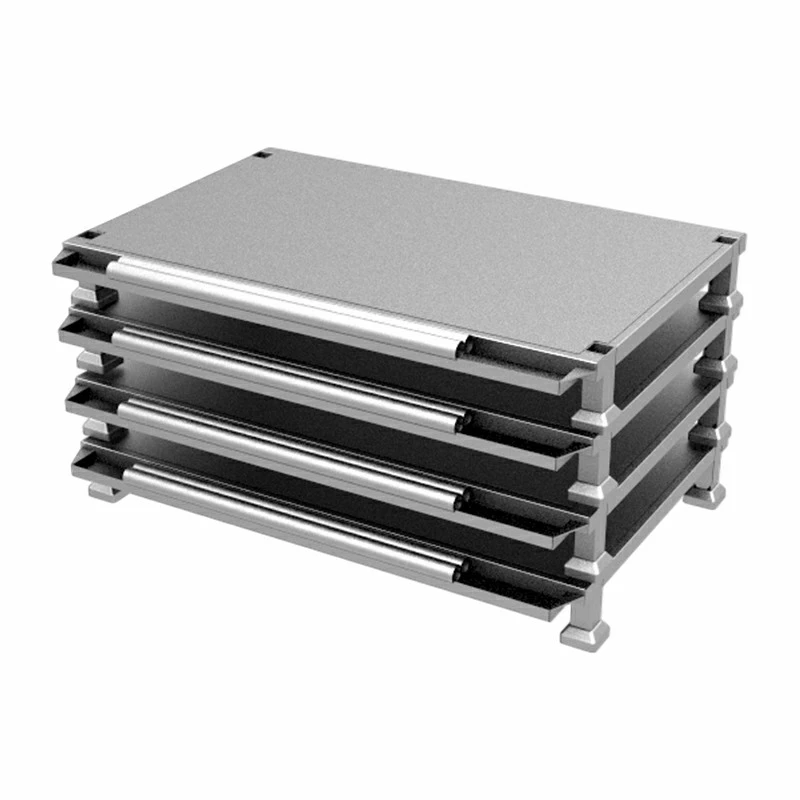
Step 2: Assemble the Base
Start by assembling the base of the pallet. Use the measuring tape to ensure that the base is the correct size. If the base consists of multiple pieces, use the screwdriver or drill to fasten them together. Make sure the joints are tight and secure.
Step 3: Attach the Posts
Once the base is assembled, it's time to attach the posts. Position the posts at the corners of the base and use the screwdriver or drill to fasten them to the base. Make sure the posts are vertical and that they are attached securely. You may need to use a level to ensure that the posts are straight.
Step 4: Add Additional Components
Depending on the type of post pallet you're assembling, you may need to add additional components, such as crossbars or braces. Use the appropriate tools to fasten these components to the posts and the base. Make sure all the components are attached securely and that the pallet is stable.
Step 5: Check the Assembly
Once the pallet is assembled, check it for any loose components or misalignments. Make sure all the screws and bolts are tightened properly. You can also test the stability of the pallet by applying some pressure to it. If the pallet feels wobbly or unstable, make the necessary adjustments.
Tips for a Successful Assembly
- Read the instructions carefully: Before you start assembling the pallet, make sure you read the instructions provided by the manufacturer. This will help you understand the assembly process and ensure that you use the correct tools and techniques.
- Take your time: Assembly can be a time-consuming process, especially if you're doing it for the first time. Don't rush through the process and take the time to ensure that each step is done correctly.
- Organize your tools: Keep your tools organized and within reach. This will make the assembly process more efficient and help you avoid any delays.
- Seek help if needed: If you're having trouble assembling the pallet, don't hesitate to seek help. You can contact the manufacturer or a professional pallet assembler for assistance.
Conclusion
Assembling a post pallet requires the right tools and a careful approach. By using the essential tools mentioned above and following the assembly process, you can ensure that your post pallet is assembled correctly and safely. If you're in the market for post pallets, we are a reliable supplier offering a wide range of options, including Heavy Duty Post Pallets, Demountable Post Pallets, and Post A Pallet. If you have any questions or would like to discuss your pallet requirements, please feel free to reach out to us for a purchase consultation.
References
- General knowledge about post pallet assembly and tools.


