


As a supplier of heavy - duty storage cages, I understand the importance of keeping these essential warehouse tools clean and well - maintained. Heavy - duty storage cages are used in various industrial and commercial settings to store a wide range of items, from small parts to large equipment. Over time, these cages can accumulate dirt, dust, debris, and even rust, which not only affects their appearance but also their functionality and lifespan. In this blog post, I will share some effective methods on how to clean heavy - duty storage cages.
Pre - cleaning Preparation
Before starting the cleaning process, it is crucial to take some preparatory steps. First, remove all the items stored in the cages. This not only allows for a thorough cleaning but also prevents any damage to the stored items during the cleaning process. Next, inspect the cages for any signs of damage, such as loose wires, broken welds, or bent frames. If any damage is found, it should be repaired before cleaning to ensure the safety and integrity of the cages.
Cleaning Tools and Materials
To clean heavy - duty storage cages effectively, you will need the following tools and materials:
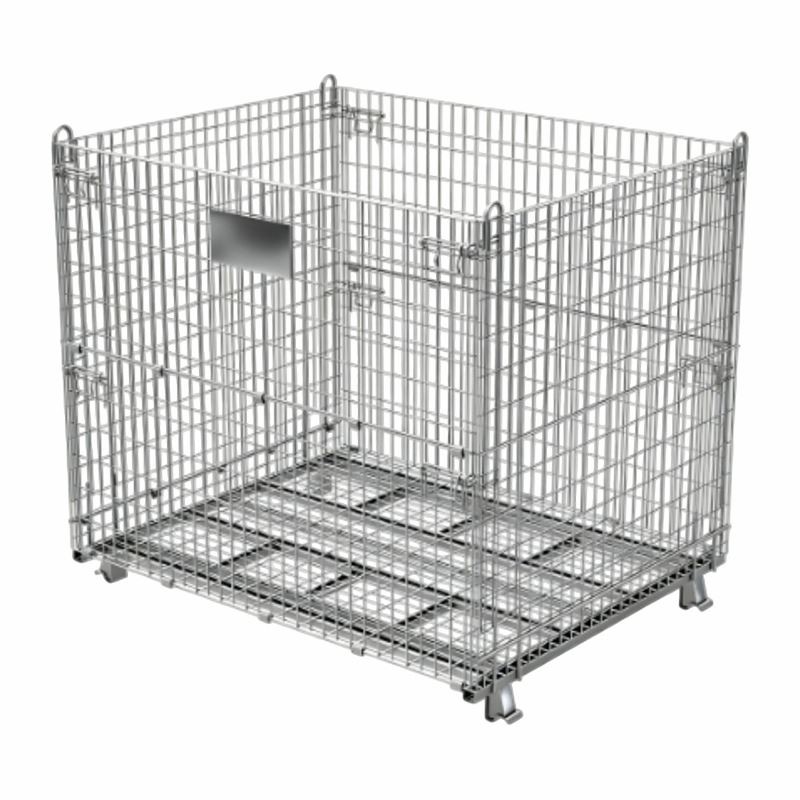

- Pressure washer: A pressure washer is a powerful tool that can quickly remove dirt, dust, and debris from the surface of the cages. It can also reach into hard - to - clean areas and crevices.
- Scrub brush: A stiff - bristled scrub brush is useful for scrubbing stubborn stains and dirt. You can choose a brush with a long handle to reach high or hard - to - access areas.
- Cleaning solution: Depending on the type of dirt and stains on the cages, you can use a mild detergent, degreaser, or rust remover. Make sure to choose a cleaning solution that is suitable for the material of the cages, such as steel or wire mesh.
- Safety equipment: Wear protective gear, such as gloves, goggles, and a mask, to protect yourself from chemicals and debris during the cleaning process.
Cleaning Process
- Dry Cleaning: Start by using a broom or a vacuum cleaner to remove loose dirt, dust, and debris from the cages. This step helps to reduce the amount of dirt that will be washed away later and makes the cleaning process more efficient.
- Pre - soaking: If the cages are heavily soiled, you can pre - soak them in a large container filled with a cleaning solution. Let the cages soak for about 15 - 30 minutes to loosen the dirt and stains.
- Pressure Washing: Use a pressure washer to clean the cages thoroughly. Start from the top and work your way down, using a wide - angle nozzle to cover a large area. Make sure to keep the pressure washer at a safe distance from the cages to avoid damaging the wires or frames. Pay special attention to areas with heavy dirt and stains, and use a more concentrated spray if necessary.
- Scrubbing: After pressure washing, use a scrub brush to scrub any remaining dirt and stains. Apply the cleaning solution to the brush and scrub the cages in a circular motion. Focus on areas that are difficult to reach with the pressure washer, such as corners and joints.
- Rinsing: Once you have scrubbed the cages, rinse them thoroughly with clean water. Make sure to remove all the cleaning solution and dirt from the cages. You can use a pressure washer or a garden hose for rinsing.
- Drying: After rinsing, allow the cages to dry completely. You can use a clean cloth or a towel to dry the cages manually, or let them air - dry in a well - ventilated area. Make sure the cages are completely dry before storing items in them to prevent rust and corrosion.
Special Considerations for Different Types of Heavy - Duty Storage Cages
Wire Partition Cages
Wire Partition Cages are made of wire mesh and are commonly used for partitioning storage areas. When cleaning wire partition cages, pay special attention to the wire mesh. Use a soft - bristled brush to clean the mesh to avoid damaging the wires. If there are any rust spots on the wire mesh, you can use a rust remover to treat them.
Steel Plate Storage Cages
Steel Plate Storage Cages are more robust and are often used for storing heavy items. These cages may require a more powerful cleaning solution to remove grease and oil stains. When cleaning steel plate storage cages, use a degreaser and a stiff - bristled brush to scrub the plates. Rinse the cages thoroughly to remove all the degreaser.
Foldable Storage Cages
Foldable Storage Cages are designed for easy storage and transportation. When cleaning foldable storage cages, make sure to unfold them completely to access all areas. Pay attention to the folding mechanisms and hinges, and clean them carefully to ensure smooth operation.
Preventive Maintenance
In addition to regular cleaning, preventive maintenance is essential to keep heavy - duty storage cages in good condition. Here are some preventive maintenance tips:
- Regular Inspections: Conduct regular inspections of the cages to check for any signs of damage or wear. Repair any damage promptly to prevent further deterioration.
- Lubrication: If the cages have moving parts, such as hinges or wheels, lubricate them regularly to ensure smooth operation.
- Proper Storage: Store the cages in a dry and well - ventilated area to prevent rust and corrosion. Avoid storing the cages in areas with high humidity or exposure to chemicals.
Conclusion
Cleaning heavy - duty storage cages is an important part of maintaining their functionality and lifespan. By following the steps and tips outlined in this blog post, you can keep your storage cages clean and in good condition. As a supplier of heavy - duty storage cages, we are committed to providing high - quality products and helpful advice to our customers. If you are interested in purchasing heavy - duty storage cages or have any questions about cleaning and maintenance, please feel free to contact us for further discussions and procurement opportunities.
References
- Industrial Cleaning Handbook, 3rd Edition
- Best Practices for Warehouse Equipment Maintenance


